1-Day Toyama City Itinerary: Take the Tram Through the “City of Medicine,” From Traditional Apothecaries to Kengo Kuma Architecture
Toyama City, located in Japan’s Hokuriku region, boasts a blend of deep history and modern convenience, seen in its centuries-old medicine culture and exquisite glass art all set against the backdrop of the grand Tateyama Mountain Range. In this itinerary, we focus on spots around central Toyama City, which can be easily accessed by tram or on foot. We’ll visit the ruins of an ancient castle, dive into culture at historic shops, taste healthy medicinal cuisine, and admire architecture contributed to by Kengo Kuma. Join us on a journey through Toyama that engages the five senses while exploring its past and present.
*This article was sponsored by Good Luck Toyama.
What Sort of Place Is Toyama?
Toyama Prefecture is situated in the Hokuriku region of Japan’s main island, Honshu. It is surrounded by magnificent mountains on three sides and faces the Sea of Japan to the north. The difference in elevation between the approximately 3,000-meter-tall Tateyama Mountain Range and the 1,000-meter-deep waters of Toyama Bay measures a whopping 4,000 meters in total. This dynamic and scenic topography, which is unusual in Japan, leads to bountiful seafood from Toyama Bay thanks to the clean snowmelt that flows from the mountains into the sea, earning its reputation as one of Japan’s underrated foodie destinations.
Toyama: The City of Medicine
Toyama City has long been known as the “city of medicine,” a reputation that can be traced back to the medicine peddling culture of the Edo period (1603–1868). During this time, medicine peddlers from Toyama traveled the country on foot with boxes of medicine on their backs, leading to nationwide recognition of Toyama medicines and the rapid development of production. Glasswork techniques were refined to create vessels for storing the medicine, while paperwork and printing industries emerged from the need for wrapping materials. Even syrup was produced to act as a binding agent for pills. Today, remnants of the extensive culture derived from medicine can still be found throughout Toyama City.
How to Get to Toyama City
Toyama is fairly accessible. If arriving by plane, Toyama Kitokito Airport is the best way to fly into the prefecture. From the airport, it takes approximately 30 minutes by bus to reach Toyama Station (approx. 420 yen one way). Another option is taking the Kagayaki bullet train on the Hokuriku Shinkansen line, which can reach Toyama Station from Tokyo in as little as 2 hours and 7 minutes (12,960 yen one way). Toyama can also be accessed from the neighboring city of Kanazawa by Shinkansen in as little as 18 minutes (3,390 yen one way).
Getting Around Toyama City
Toyama City has a well-developed public transportation network. Plus, most of the main sightseeing spots are within walking distance of each other, and Cyclocity bicycle rental stations are located throughout the city.
We particularly recommend traveling around Toyama City by tram. The loop line in the city center has many trams in operation and is known for its large windows perfect for taking in the view. As well as being efficient, this line also allows passengers to enjoy the scenery passing by, changing from the solemn facade of Toyama Castle to the lively atmosphere of the shopping districts.
Now that we’re familiar with Toyama’s background, it’s time to begin our trip around the city of medicine!
AM: Traditional Sweet Workshop at Matsukawa Chaya
Access: Approx. 12-minute walk from Toyama Station.
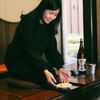
With a chill in the air on the day of my visit, I kicked off in the warm Matsukawa Chaya teahouse with a traditional Japanese sweet-making workshop. Located on the grounds of Toyama Castle Park, this teahouse uses authentic “jonamagashi” confectionery from the famous local shop Heiando, letting me work with ingredients hand-selected by master confectioners.
In the calm atmosphere of the teahouse, I gently molded the soft-hued confection while following the illustrated instructions, which made the activity very beginner friendly. Before long, I had created an adorable, delicate dessert that reflected the season, which I later enjoyed with a bowl of hot matcha. Savoring the refined sweetness of my own creation while admiring the view of the Matsukawa River outside made for an elegant start to the trip.
AM: Admire History and the Four Seasons On a Matsukawa River Cruise
Access: Right by Matsukawa Chaya.
Next to Matsukawa Chaya flows the Matsukawa River, a remnant of the Jinzu River that once protected Toyama Castle. River cruises began operating here in 1988 and have since become a staple sightseeing activity in Toyama City.
Matsukawa River cruises are offered year-round, giving passengers about 30 minutes to admire Toyama from the water. The boatmen take the rudder and bring their own personalities to the ride, humorously guiding passengers along while sharing stories about the surrounding area. The scenery changes with the seasons, from a cherry blossom tunnel in spring that has been selected as one of Japan’s top 100 cherry blossom spots, to fresh greenery in summer and vibrant foliage in autumn. Cruises will be suspended from autumn 2026 until early March 2027 for repair work on the river dikes following damage caused by the 2024 Noto Peninsula earthquake.
The Matsukawa River, long connected to the history of Toyama Castle, still flows quietly through the city today. After the cruise, a stroll along the riverbanks is a pleasant way to continue enjoying the scenery and reflect on the role the river has played in Toyama.
AM: Discover Local Heritage at the Toyama City Local History Museum in the “Floating Castle”
Access: Approx. 5-minute walk through Toyama Castle Park from the Matsukawa River Cruises boarding area.
As I walked through Toyama Castle Park, the dignified facade of Toyama’s symbolic landmark, Toyama Castle, soon came into view. Surrounded by a moat, the current castle keep was rebuilt in 1954, restoring its historical appearance and becoming one of modern Toyama’s foremost landmarks. The keep houses the Toyama City Local History Museum, which traces the castle’s changes over 400 years and displays valuable materials related to the Maeda clan of the Toyama Domain.
With guidance from the curator, I was able to delve deeper into the history behind the so-called “floating castle.” This catchy nickname comes from the Jinzu River, which originally flowed along the northern side of the castle, creating the impression that the structure was floating on the water. Inside, models and videos vividly illustrate castle building techniques from the Sengoku period (1467 - 1590) as well as the prosperity of the castle town during the Edo period (1603 - 1868).
After exploring the exhibits, I headed to the observatory on the top floor of the keep. From here, a 360-degree view of the Toyama cityscape spread out below, offering scenery that shifts with the seasons, from cherry blossoms in spring to fresh greenery in summer and bright foliage in autumn. The historic fortress set against the modern townscape creates a striking blend of past and present that can be fully appreciated from the top of the keep.
AM: Explore Seasonal Flavors at Jibamonya
Access: Walk approx. 3 minutes from the Toyama City Local History Museum to the Kokusai Kaigijo-mae tram stop, and take the tram for approx. 8 minutes to Grand Plaza-mae. From there, walk 1 minute.
Tucked in the lively Sogawa area of central Toyama City is Jibamonya Main Store, a specialty shop filled with a wide variety of agricultural and forestry products. It’s the ideal stop for travelers who want a glimpse into everyday life or enjoy visiting markets. The shop promotes local production for local consumption, selling fresh ingredients sourced directly from producers at reasonable prices.
Stepping inside, I was greeted by shelves packed with Toyama’s local produce and specialty foods. Seasonal fruits such as strawberries and pears lined the displays alongside recently harvested vegetables, Toyama’s own prized brand of rice, and milk from local ranches.
Not only is this a gold mine for ingredients, but also for unique souvenirs. Visitors can discover items rarely stocked at tax-free shops, including locally brewed sake, authentic miso and soy sauce, traditional sweets, and more. Other popular choices include homemade bento boxes with local ingredients and simple, home-style deli foods. Looking over the plethora of farm-to-shop products made me appreciate the vitality of Toyama’s food culture.
PM: Pill-Making and Medicinal Lunch at Ikedaya Yasubei Shoten
Access: Approx. 5-minute walk from Jibamonya Main Store.
Around lunchtime, I headed to Ikedaya Yasubei Shoten, a long-standing establishment that symbolizes Toyama’s medicine culture. It is housed in one of the few remaining wooden, earthen-walled warehouse buildings in central Toyama City. The fragrance of traditional Chinese medicines drifts through the storehouse, which once stored crude drugs, while the Japanese and Chinese medicines and old tools lining the shelves quietly tell the story of the City of Medicine.
In addition to selling Ecchu Hangontan, one of Toyama’s most famous digestive medicines that has been produced since the Edo period, the store also hosts a unique pill-making workshop. The experience begins with a demonstration by one of the craftspeople. Using a traditional pill-making device, the medicine is squeezed out and skillfully shaped with a spatula into tablets about 5 millimeters in size, neatly lined up on a board. A wooden panel that acts like a lid is placed on top, and the craftsman rolls the tablets beneath it with just the right amount of pressure until smooth, perfectly round pills take shape.
When I tried it myself, I quickly realized how much skill and control it takes to make evenly sized pills like the craftsman, which gave me a deeper appreciation for the mastery behind these traditional techniques.
After the pill-making workshop, I headed to the restaurant Yakuto on the second floor for lunch. Here, I was served carefully prepared “yakuzen ryori” (medicinal cuisine), which blends traditional Chinese medicinal knowledge with rich flavors. My meal included healthy black rice (an ancient variety of rice), along with a variety of wild grasses and ingredients, accompanied by a gentle yet flavorful tea made from an original blend of herbs. While the cuisine is meant to help balance the body, its deliciousness almost makes you forget the saying that “good medicine tastes bitter.” Through these flavors, I felt I could connect more deeply with the history and culture of Toyama.
PM: Taste a 360-Year-Old Malt Candy Tradition at Shimakawa Candy Store
Access: Approx. 3-minute walk from Ikedaya Yasubei Shoten.
Just a short walk from Ikedaya Yasubei Shoten is the Shimakawa Candy Store, established in 1663. There is a deep connection between candy and medicine in Toyama, making it another vital stop on our foray into local culture. Malt syrup was not only valued for its sweetness, but also originally used as a binding agent to harden pills and help ease the bitterness of medicine. While others in the same trade disappeared with the changing times, Shimakawa continues to preserve this tradition as the only remaining malt candy specialist in Toyama City.
Its signature product is a sugar-free thick malt syrup made using just boiled starch and malt. The shimmering golden syrup has a dense chewiness and stickiness, but it melts smoothly in the mouth, leaving behind a simple yet warm sweetness and a refreshing aftertaste.
In addition to its staple syrup, Shimakawa also offers other popular products such as “mishima mame,” a traditional sweet made with Toyama-grown soybeans that are roasted until fragrant and coated in syrup. As malt candy is high in nutritional value and gentle on the body, it has been regaining popularity in recent years among health-conscious consumers, with many travelers now seeking it out as a souvenir.
PM: Enjoy a Sweet Inspired by the Dawn Moon at Tsuki Sekai Honpo
Access: Approx. 2-minute walk from Shimakawa Candy Store.
Tsuki Sekai Honpo is another renowned traditional confectionery shop in Toyama that was established in 1897. Its signature product bears the splendidly poetic name “Tsuki Sekai” (lit. “moon world”) and is accompanied by a captivating creation story. When the first generation owner, Eikichi Yoshida, was in the middle of making sweets, he looked up at the sky and saw the moon faintly floating in the dawn light. Deeply moved by this fleeting yet beautiful sight, he devoted himself to recreating it, which is said to have culminated in this sweet.
Tsuki Sekai is a white rectangular confection packed with fresh eggs, premium wasanbon sugar, white granulated sugar, and agar-agar. It is an unusual dried sweet with a crunchy texture that melts in the mouth, similar to meringue. Gently biting into it and letting it rest on the tongue fills the mouth with a delicate sweetness that pairs well with both tea and coffee.
In addition to its signature Tsuki Sekai, the shop’s sister product “Maidohaya” is also very popular. The name translates to “how are you” in the Toyama dialect, and the sweet has a soft, squishy, marshmallow-like texture. There are two flavors to choose from: refreshing yuzu or fragrant sesame. The unique textures of these sweets make them perfect souvenirs to share with family and friends.
PM: Appreciate Kengo Kuma’s Architecture at the Toyama Glass Art Museum
Access: Approx. 5-minute walk from Tsuki Sekai Honpo.
Toyama Kirari is a complex designed by the world-renowned architect Kengo Kuma, featuring a glimmering exterior made from a mix of granite, glass, and aluminum panels. It houses the Toyama Glass Art Museum along with the Toyama City Public Library and the First Bank of Toyama Main Branch, establishing it as a modern landmark that brings together finance, art, and everyday life.
After taking the escalator from the first-floor entrance to the second floor, I was greeted by the diagonal “spiral void” atrium that extends all the way up to the sixth floor. The interior is made mainly from wooden slats sourced from Toyama, largely cedar, creating a warm atmosphere reminiscent of standing in a forest. Natural light pours through the windows and filters through the layers of lattices, producing ever-changing patterns of light and shadow depending on the time of day.
The Toyama Glass Art Museum exhibits contemporary glass artworks from both Japan and around the world. The Glass Art Garden on the sixth floor sparkles with colorful installation pieces that shift in the light and shadow. The visual impact created by the exhibitions woven into the architecture took my breath away, and is a must-visit landmark for lovers of art and culture.
PM: Marvel at the Tateyama Mountain Range From the Toyama City Hall Observation Tower
Access: Approx. 12-minute walk from the Toyama Glass Art Museum. You can also take the tram from Nishicho to Sakurabashi (approx. 3 minutes) and then walk approx. 3 minutes.
In the evening, I made my way to the Toyama City Hall Observation Tower to take in views from above. Standing around 70 meters above the ground, the tower offers sweeping panoramas of the city and beyond, yet remains little known despite being free and open to everyone.
After taking the observation tower elevator from the first floor to the top of City Hall, I arrived at a hallway surrounded by glass on all sides, with excellent views not only of the Toyama cityscape but also of the Tateyama Mountain Range.
Rising beyond the city, the seemingly endless mountain range was blanketed in snow, appearing like a massive Japanese folding screen protecting the area. The striking contrast between the modern cityscape and the majestic mountains was almost overwhelming, truly unique to this “city cradled by grand nature.”
PM: Appreciate the Childhood Years of a Genius Composer at the Rentaro Taki Memorial Museum
Access: Approx. 10-minute walk from Toyama City Hall (within Matsukawa Chaya).
I strolled along the river as I made my way back to this morning’s starting point, Matsukawa Chaya. Nestled inside the teahouse is the Rentaro Taki Memorial Museum, dedicated to the famed Meiji-era composer who wrote the iconic tune “Kojo no Tsuki.” Taki spent part of his childhood here in Toyama with his father, and it is believed that the area’s lush natural scenery strongly influenced his later musical sensibilities. The museum displays important photographs and materials, giving the interior a quiet sense of nostalgia.
To finish my trip, I treated myself to a Toyama Castle Matcha Parfait, the shop’s most popular menu item. Beneath the adorable depiction of Toyama Castle, rich matcha ice cream, chewy mochi balls, and red beans are neatly layered, with a bed of crunchy cereal at the bottom. The slight bitterness of the matcha pairs perfectly with the sweetness of the other ingredients, making it the perfect treat to enjoy while reflecting on my eventful day.
Where to Stay: Hotel JAL City Toyama
Access: Approx. 14-minute walk from Matsukawa Chaya.
We recommend staying near Toyama Station if your next day plans include further exploring Toyama City, visiting the Amaharashi Coast, or taking the shinkansen to Kanazawa. Among the nearby options is Hotel JAL City Toyama, located a convenient three-minute walk from Toyama Station.
The lobby features a modern design that still feels warm and welcoming. This atmosphere carries through to the guest rooms, which follow a “Touch Toyama” concept, using calm gray tones along with the brand’s signature color and red pendant light accents. There are seven room types in total, ranging from rooms with double-size beds suited to solo travelers to connecting rooms that link two spaces and can accommodate up to four guests.
On the ninth and tenth floors are several larger room categories for those wanting a bit more space. The Deluxe Wide Twin and Retreat Suite, both renovated in 2025, stand out in particular. The 42-square-meter Deluxe Wide Twin feels bright and relaxed with its soft off-white tones, while the 79-square-meter Retreat Suite features furniture by a world-renowned designer. The suites also make use of organic amenities produced in Toyama, subtly reflecting the region’s natural resources.
The next morning, breakfast features dishes made with fresh seafood from Toyama Bay and other local ingredients. It’s an energizing way to start the day before setting out for the next destination.
Conclusion
Exploring Toyama City felt like traveling through time. The many long-standing establishments I visited throughout this trip are living reminders of the history that has grown alongside Toyama’s medicinal culture over centuries. From the pill-making tradition that has continued since the Edo period to the flavors born in the Meiji period, and even the contemporary glass art shaped by masters of their craft, connections between past and present can be found everywhere. Within a surprisingly compact area, Toyama brings together hundreds of years of history and culture.
The tranquil presence of Toyama Castle, the gentle flavors of medicinal cuisine, and the warmth of the locals also brought color to my journey. Whether you are a history buff, an architecture lover, a foodie, or simply someone looking to slow down and explore, Toyama offers something quietly memorable. If you ever find yourself in the Hokuriku area, consider stopping by and experiencing this comforting “city of medicine” for yourself.


The information in this article is accurate at the time of publication.

About the author