
7 Impressive Sights in Okayama
Okayama is located between two big tourist spots - Hiroshima and Himeji, and many people just pass by. However, if you have time to stop, Okayama prefecture has lots of amazing sites to visit.

This post may contain affiliate links. If you buy through them, we may earn a commission at no additional cost to you.
1.Kurashiki Canal Area
Kurashiki was one of the most important points for distributing rice. Along the canal, there are many warehouses with white walls and black tiles, which were used for storing rice. Rice was delivered here from the countryside by boat and brought to Osaka and Kyoto.
2. Korakuen Garden
Korakuen is known as one of the three most beautiful gardens in Japan, and it was completed in 1700. The garden consists of ponds, tea houses and Edo period buildings including a stage for “Noh” - Japanese classical operas.
3. Ohaganishi Rice Terraces
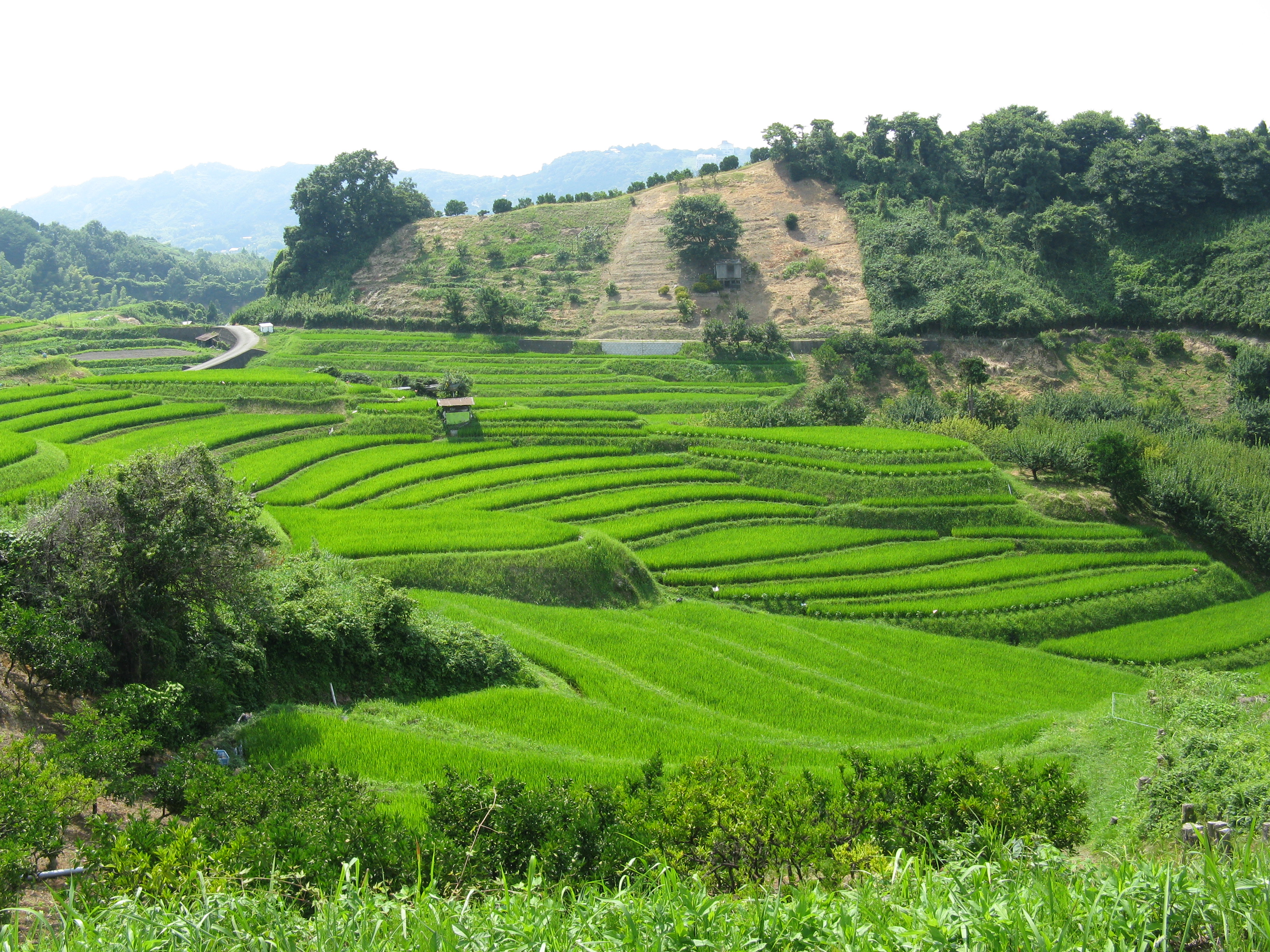

Ohaganishi Rice Terraces are located at an altitude of 400 meters, in the northwest mountainous part of Okayama prefecture. It is selected as one of the 100 best rice terraces in Japan.
4. Bicchu Matsuyama-jo Castle
Bicchu Matsuyama Castle stands on a steep mountain in Takahashi City. It was constructed in 1240, as a defensive fortress, and is the unique example of remains of a mountain castle that survived.
5. Seto Ohashi Bridge
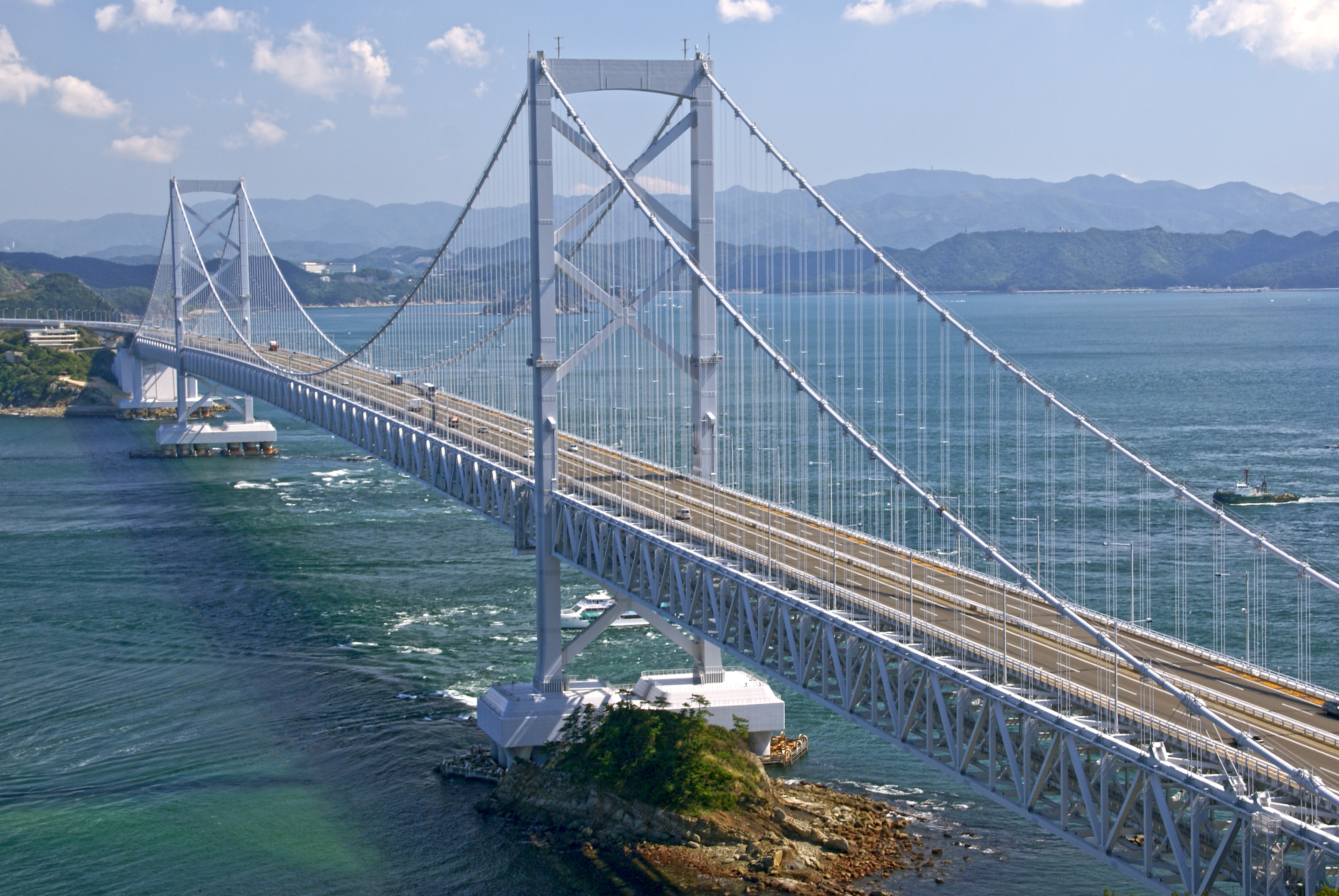

Seto Ohashi Bridge is a series of six bridges spanning five islands, and it connects Kojima in Okayama prefecture on Honshu and Sakaide in Kagawa prefecture on Shikoku. The bridge took 10 years to build, cost US$7 billion, and it was completed in 1988.
6.Kibitsu Shrine
Kibitsu Shrine is located about 8 km west of central Okayama City. The main building is one of the largest shrines in Japan with a unique style – it has two gables on the roof. This shrine also has a famous 398 meter-long corridor.
7. Fukiya Village
Fukiya Village was a centre of red oxide produce. The red oxide was mined and used for porcelain, and they still use it for painting. Here you can enjoy the unique townscape with red roof tiles.


The information in this article is accurate at the time of publication.

About the author
